AN ENCYCLOPEDIA OF INDIAN TRIBES
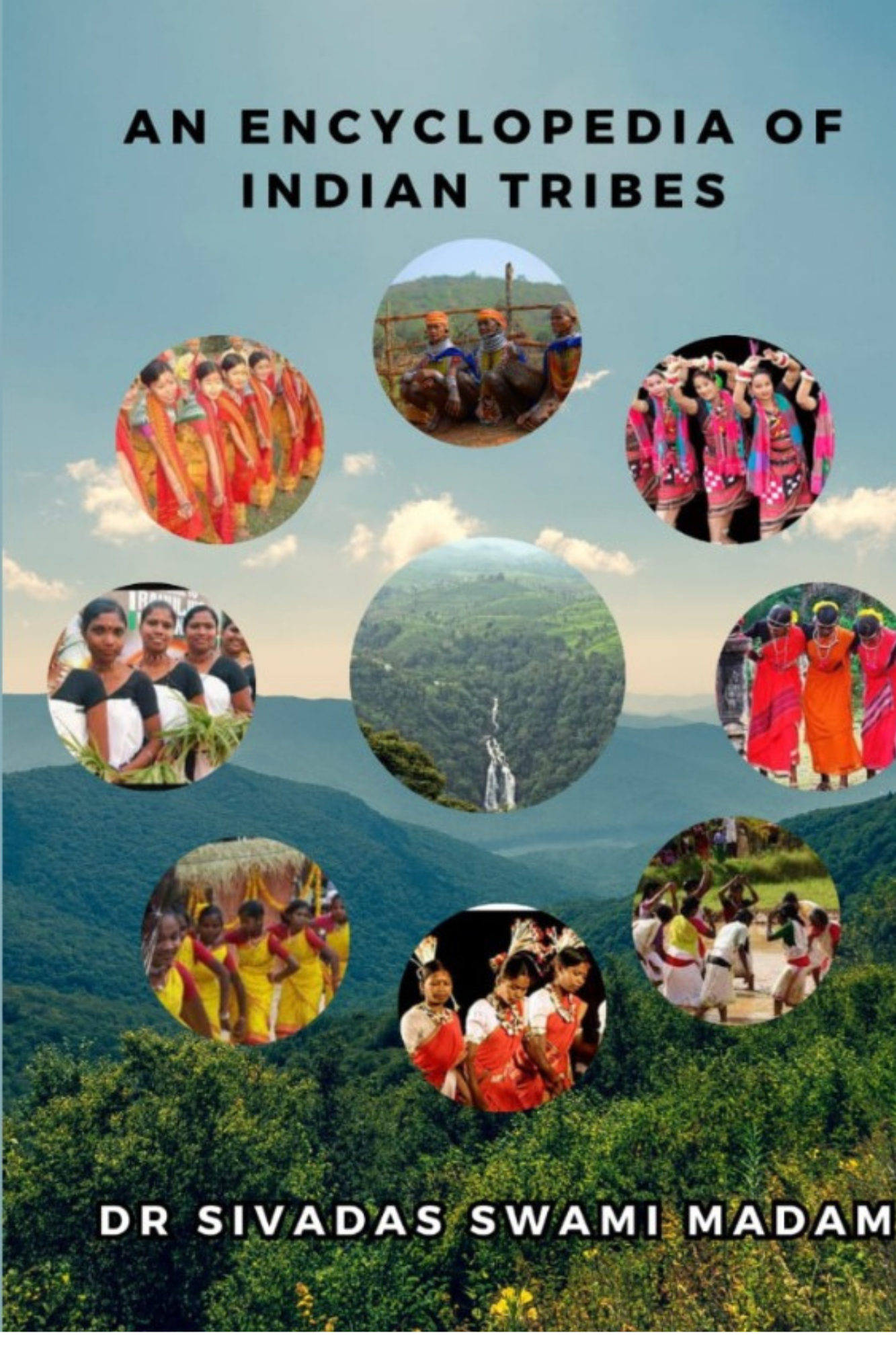
An Encyclopedia of Indian Tribes is a wide-ranging exploration of India’s rich and diverse indigenous communities. Through accounts of tribes including the Kondh, Koya, Savara, Yanadi, Chenchu, and others, the book examines distinctive languages, traditions, festivals, oral histories, ecological knowledge, and cultural identities. Blending research-oriented observation with literary sensitivity, it presents tribal communities as living custodians of heritage, resilience, and ancestral wisdom. An engaging reference for students, researchers, historians, anthropologists, environmentalists, and readers seeking a deeper understanding of India’s cultural roots.
Description
Across India’s forests, hills, river valleys, plateaus, and remote rural landscapes live communities whose histories, languages, customs, and relationships with nature form an essential part of the country’s cultural inheritance. An Encyclopedia of Indian Tribes offers an expansive journey into this diverse world, presenting tribal life not as a relic of the past but as a living and evolving expression of identity, memory, resilience, and indigenous knowledge.
The book introduces readers to communities including the Kondh, Koya, Savara, Yanadi, Chenchu, and many others, exploring the distinctive cultural landscapes that shape their lives. It draws attention to languages, ancestral traditions, festivals, rituals, oral histories, collective memory, and the deep symbolism of nature within tribal worldviews. By bringing these elements together, the volume seeks to preserve and communicate voices and traditions that are often overlooked in mainstream narratives.
Its approach combines the breadth of a reference work with a more reflective literary sensibility. Rather than presenting communities only through detached facts and classifications, the narrative seeks to convey the human experience behind cultural practices: the struggles, adaptability, dignity, community bonds, and enduring wisdom of peoples whose lives have long been closely connected with forests, rivers, mountains, and the natural environment.
Positioned at the intersection of tribal studies, cultural history, anthropology, indigenous studies, and literary nonfiction, the book is intended for both academic and general audiences. Students, researchers, historians, anthropologists, environmentalists, educators, policymakers, and readers interested in India’s cultural diversity will find it a valuable point of reference.
Ultimately, An Encyclopedia of Indian Tribes is a tribute to the many communities that contribute to the extraordinary cultural mosaic of India. It invites readers to look beyond stereotypes and discover the depth, complexity, and continuing significance of indigenous traditions in understanding the nation’s past, present, and cultural future.
Shipping
Questions & Answers
Vendor Info
Vendor Information
- No ratings found yet!