Short answer: Odia literature stretches back more than five centuries. Sarala Das retold the Mahabharata in Odia in the 15th century; the Panchasakha poets brought devotional literature to ordinary readers; Fakir Mohan Senapati founded modern Odia fiction with Rebati (1898), the first Odia short story; and in the 20th century four Odia writers won the Jnanpith Award. In 2014 the Government of India recognised Odia as a classical language.
Key takeaways
- Sarala Das’s Odia Mahabharata is one of the founding works of the literature.
- Fakir Mohan Senapati is called the father of modern Odia literature.
- Gopinath Mohanty, Sachidananda Routray, Sitakant Mahapatra and Pratibha Ray have won the Jnanpith Award.
- Odia became a classical language of India in 2014.
The early period: Sarala Das
In the 15th century, Sarala Das set out to render the Mahabharata into Odia. His version is not a translation but a retelling, full of Odisha’s places, customs and voice, and it is often called the first great work of Odia literature.
The Panchasakha poets
In the 16th century, five poet-saints known as the Panchasakha (Balarama Dasa, Jagannatha Dasa, Achyutananda Dasa, Ananta Dasa and Jasobanta Dasa) wrote devotional works in simple Odia. Jagannatha Dasa’s Odia Bhagabata became a household book read aloud in villages across Odisha.
The ornate (Riti) age
From the 17th to the 19th centuries, poets such as Upendra Bhanja wrote highly ornamented kavya, admired for wordplay, rhyme and musicality.
The modern age: Fakir Mohan Senapati and after
Fakir Mohan Senapati (1843–1918) is regarded as the father of Odia nationalism and modern Odia literature. His story Rebati (1898) is considered the first short story in Odia, and his novel Chha Mana Atha Guntha (translated as Six Acres and a Third) is a landmark of Indian fiction about the exploitation of landless peasants. He also wrote the first Odia autobiography.
Poets such as Radhanath Ray, Madhusudan Rao and Gangadhar Meher shaped modern Odia poetry in the same period, while writers and leaders including Madhusudan Das and Gopabandhu Das fought to preserve Odia as an independent language.
The 20th century and the Jnanpith writers
Four Odia writers have won the Jnanpith, India’s highest literary award: Gopinath Mohanty (1973), Sachidananda Routray (1986), Sitakant Mahapatra (1993) and Pratibha Ray (2011). Read more in Odia Writers Who Won the Jnanpith Award.
Odia as a classical language
After a long language movement, including the Orissa Official Language Act of 1954, Odia was recognised as a classical language by the Government of India in 2014.
Odia literature today
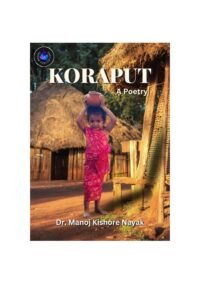
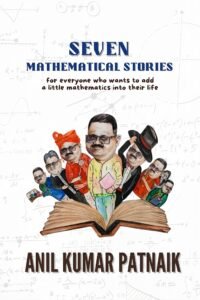
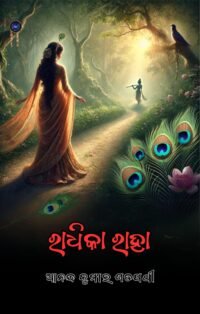
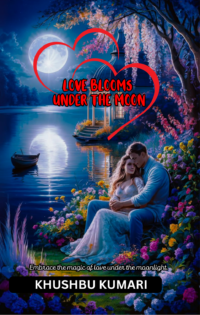
Today Odia writing lives in print, magazines, social media and translation. A new generation of poets and storytellers publishes in Odia and English, often starting with anthologies. INKDEW publishes Odia, English and Hindi writers from Odisha and beyond, and our anthologies have given many new Odia poets their first byline.
Frequently asked questions
Who is the father of modern Odia literature?
Fakir Mohan Senapati, author of Rebati and Chha Mana Atha Guntha.
What is the first Odia short story?
Rebati by Fakir Mohan Senapati, published in 1898.
When did Odia become a classical language?
In 2014.
Can I publish a book in Odia today?
Yes. INKDEW publishes Odia books with an ISBN and proper Odia Unicode typesetting. See our publishing plans.